This page is currently being updated and may not contain all information about CCC’s counseling services. For more information, call 402-562-1244 or email Counseling Services.
Do not use the email for crisis or emergency contact, as Counseling Services does not maintain 24-hour access to their email accounts. We use email communications for general information, appointment scheduling, referrals, and other administrative matters. Email response is limited during evenings, weekends, holidays and when the campus is closed.
Counseling Services at CCC are designed with a flexible approach to help you address barriers to your learning that stem from emotional and personal issues. Our solution-focused sessions help you get the most from your treatment experience while maximizing your educational potential.
Counseling services are confidential and protected by state law and professional counseling ethics. We are committed to providing quality services specific to students’ needs.
Counseling services provided by CCC Counselors are free to all currently enrolled students.
To schedule an appointment or to receive additional information, contact our central scheduling office.
If you are experiencing a life-threatening mental health emergency, please go to your nearest emergency room or contact 911.
If you need someone to talk to immediately, please see the local and national resources available below:
Signs and symptoms indicating possible need for counseling:
Group counseling is an opportunity to connect with others in a safe, confidential and supportive space. Groups allow students to share their experiences with others who can understand and relate, and to learn new perspectives. Group counseling addresses many issues, including depression, anxiety, grief and low self-esteem and confidence.
Contact Counseling Services to obtain group information and the WebEx link.
This group is for single parents who want to connect with other single parents, gain support and learn new parenting skills.
This support group is open for six weeks, meaning members can participate for one week or all six. This group will be led by a master ’s-level, licensed mental health therapist.
Dialectical Behavioral Therapy (DBT) is a group that helps participants learn Mindfulness, Emotional Regulation, Distress Tolerance and Interpersonal Effectiveness.
DBT skills can be effective for those who experience anger, depression, negative thinking, anxiety, stress, guilt, loneliness and/or lack of connection to others.
This group will be closed and six weeks long. This means group members must attend the first group and commit to attending each subsequent group, though some exceptions can be made at the therapist’s discretion.
This group will be led by a master’s-level, licensed mental health therapist.
Distress Tolerance: Getting through a crisis without making it worse and accepting reality as it is.
Mindfulness: Being aware of the present moment without judgment.
Interpersonal Effectiveness: Understanding and reducing vulnerability to emotions and changing unwanted emotions.
Emotional Regulation: Getting interpersonal needs met, maintaining relationships and increasing self-respect in relationships.
This group provides an opportunity for those in the LGBTQ+ community to have a space to discuss various topics, such as, but not limited to, relationships, family dynamics, coming out and being out, the impact of oppression, rejection and discrimination.
This group may be helpful for students experiencing low self-esteem, isolation, loneliness, social anxiety and/or depression.
This group will be an open six-week group. This means group members can participate one week or all six weeks of the group.
This group will be led by a master’s-level, licensed mental health therapist.
Research has found that parents can have a powerful influence on a student’s successful transition to college life. Talk to your student about alcohol and cannabis/marijuana before they start college and keep talking to them while they’re here. Your input matters — and helps us set the trend for responsible use of alcohol and abstaining from cannabis/marijuana.
As a parent, you have already done a great job helping your child make better choices. However, your responsibility doesn’t stop just because they’re headed to college. Studies have shown that college students give parents a great deal of credit for guiding them towards less drinking or abstaining from drinking and cannabis/marijuana.
When young adults begin their college experience, they’ll face a number of life changes and new experiences, such as:
You can help your student during this transition by communicating your expectations and encouraging them to think through the outcomes of different choices.
Parents also can have an impact on the misperceptions of college life, including alcohol and cannabis/marijuana use, while providing information about campus resources to their student.
Read Additional Information on Power of Parenting (PDF)
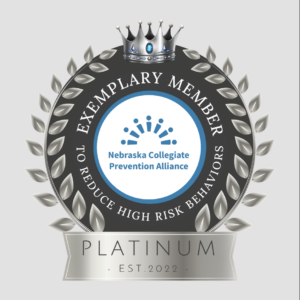
CCC was recognized as a Platinum Level Exemplary Member at the NECPA State Convening held July 10, 2024. The Exemplary Member Institution Recognition Program works to encourage, recognize and reward NECPA members’ excellence in reducing and preventing high-risk drinking and substance use among Nebraska college students.
NECPA works to encourage schools to engage in ongoing learning, stay up to date on the latest issues facing students and continually improve prevention programming on campus. Recognize schools that demonstrate prevention programming that other member institutions can replicate on their campuses. Reward schools that achieve excellence in the implementation of evidence-based prevention strategies and successfully create an outstanding campus environment for students and the surrounding community.
Platinum Level designations are awarded to institutions that demonstrate a commitment to programmatic and data excellence by actively participating in at least two NECPA-sponsored activities and in all three NECPA Programs.
CCC actively participates in the following NECPA activities: Annual Statewide Convening, serving on the NECPA board of directors, offering NECPA sponsored training in Brief Motivational Interviewing to CARE team members and Student Success Division Staff and mini-grant opportunities. CCC has also incorporated the following prevention programs using mini-grant funding: the Year One College Behavior Profile, College Behavior Profile and the Nebraska Assessment of College Health Behaviors (Biennial Survey).